Anxious at Home? How Japandi Interior Design Creates a Calm Space
What do you picture when you imagine your dream home? If your current space leaves you feeling a little overwhelmed or anxious instead of relaxed, you might be wondering how to fix it. If you want to transform your home into a cozy sanctuary but don't know where to start, let me introduce you to the Japandi style.
In this post, we’ll dive into why Japandi has become one of the trendiest interior design styles over the last few years, and how it can help you create the peaceful, beautiful home you deserve.
The word “Japandi” has grown in popularity since 2020 during the start of the COVID pandemic. This is because lots of people were spending time at home and started to think about interior design or how they can make their space more comfortable.
Let’s talk about what Japndi is. Japandi is the combination of Japanese and Scandinavian styles to create a beautiful harmony. Those two styles share a common method in using similar interior materials, neutral colors, and, most importantly, relaxing or healing properties.
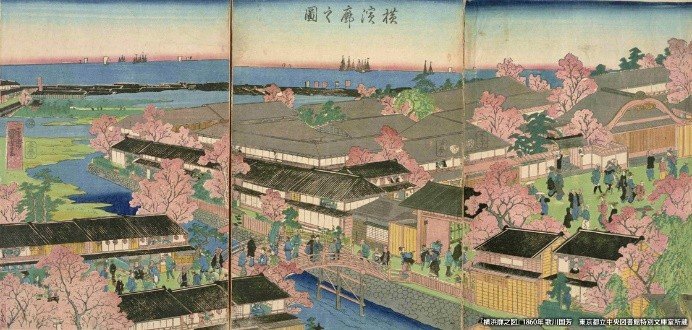
The woodblock print by Utagawa Sadahide in 1860
The Japandi style became popular in recent years. However, its history dates back to the 1860s. After two centuries of national isolation in Japan, a member of the Danish military visited Japan and wrote about the country. Danish interior designers read his book and after learning about Japan, they applied their new knowledge to their own interior design stylings. They saw how both their own and the Japanese interior design styles are simple and beautiful, so they took the common points of each and combined them. After many years, even now, they acknowledge both cultures in the Japandi interior style.

BOOK The Scandinavian Home: Art and Identity, 1880–1920
Why Scandinavian and Japanese?
During the eighteenth century, features of the Scandinavian style called “Hygge” started to appear. Hygge expresses a soulful and relaxed part of Danish culture. Which shows how Danish people respect things such as well-being, warm atmosphere, enjoying the good things in life, and general sense of community.
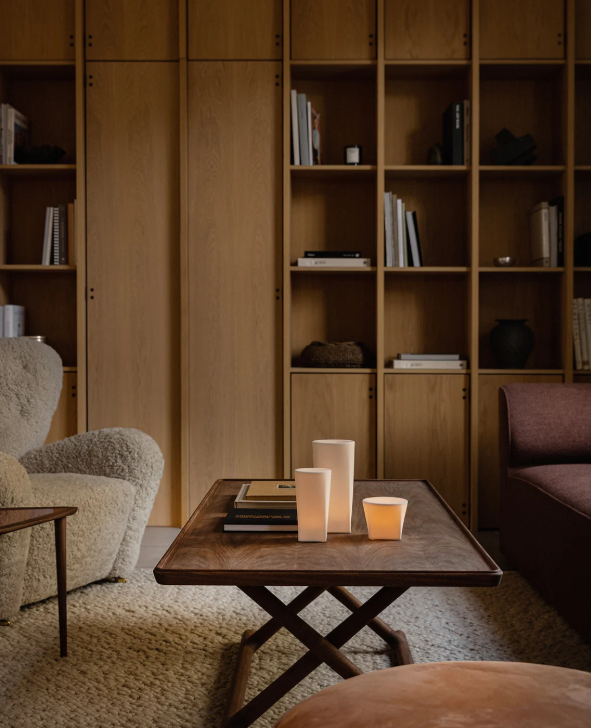
Image from Audo Copenhagen, US
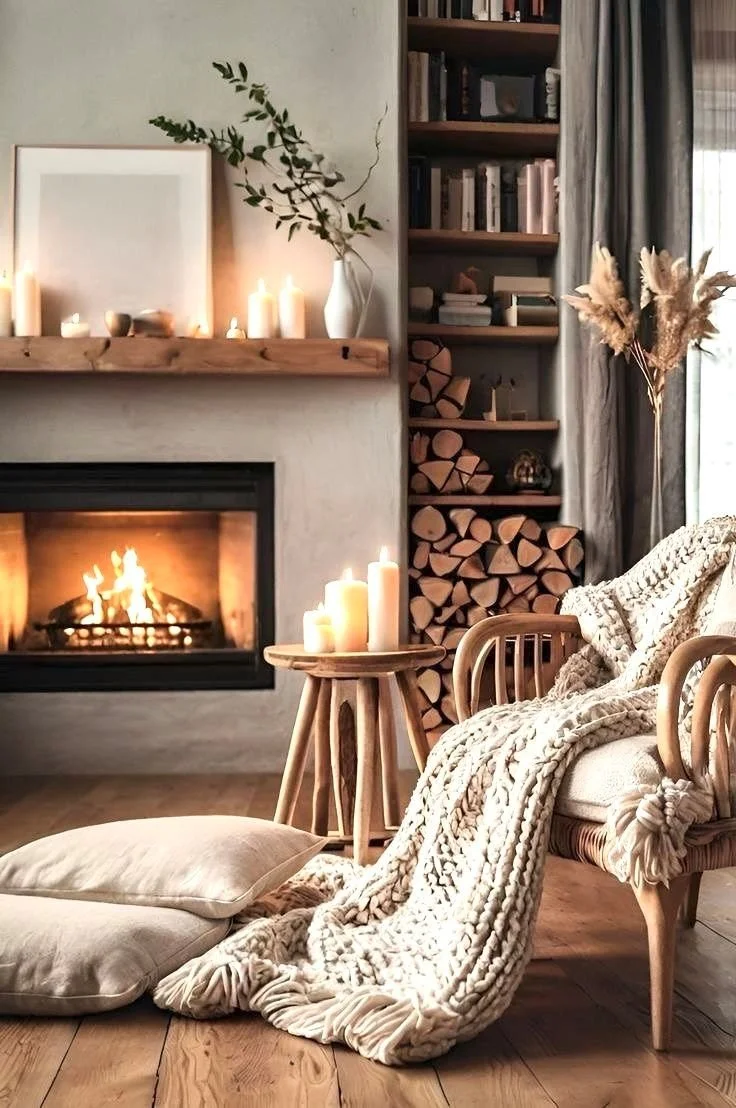
Hygge image picture from Pinterest
The word that describes certain features of the Japanese style is called “Wabi-sabi.” This word has two different meaning. The meaning of “Wabi” is to find beauty through simple and humble things. “Sabi” means that the passage of time can show the beauty of imperfection that can come from things that are impermanent and meant to mature.
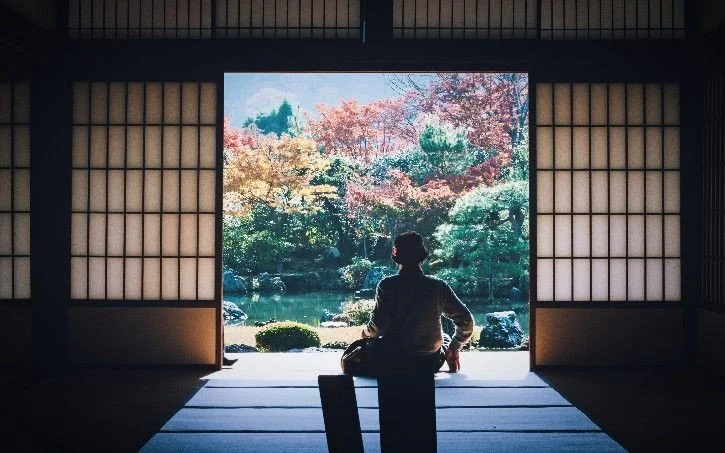
Traditional Japanese room
So, the Japandi style is a perfect match of Japanese and Scandinavian style to make a beautiful harmony. Those two styles have a similar mind for a simple and comfortable life style. Also, both have architectural and artisanal skills, using similar interior materials such as woods and neutral colors.
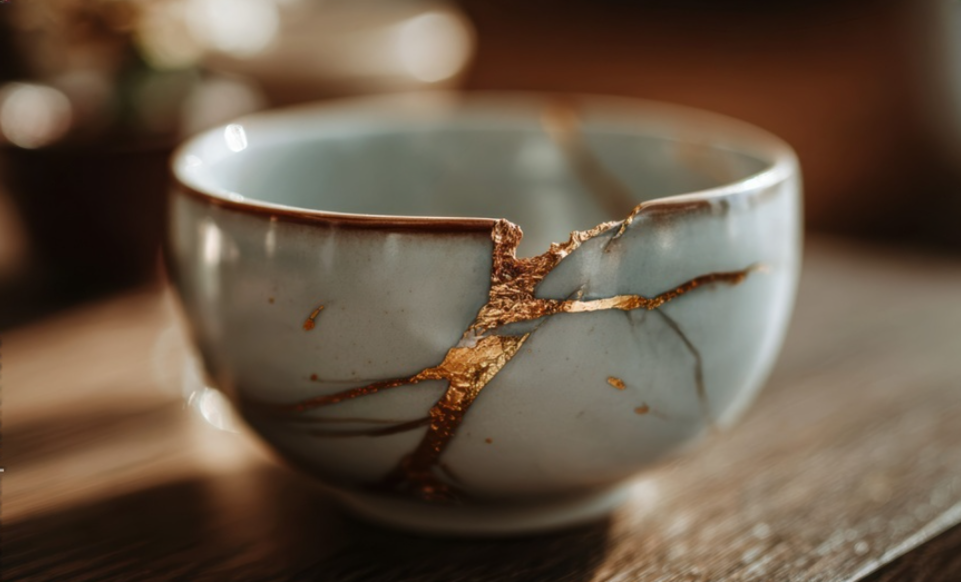
Wabi-Sabi
Why Japandi is still popular and how it affects our life?
When you are designing the Japandi interior style for a comfortable space, you will surely be using natural colors, natural lights, organic materials such as stones, woods, bamboo paper and functional. Also, another point about the Japandi style is that it consciously keeps it simple and adopts natural lights, making for a more comfortable atmosphere. This means using simple designs, plain patterns, and keeping negative (or “empty”) spaces. By doing this, it creates a positive effect for our mental health, increases feelings of calmness, and helps to decrease feelings of stress, anxiety, and depression.
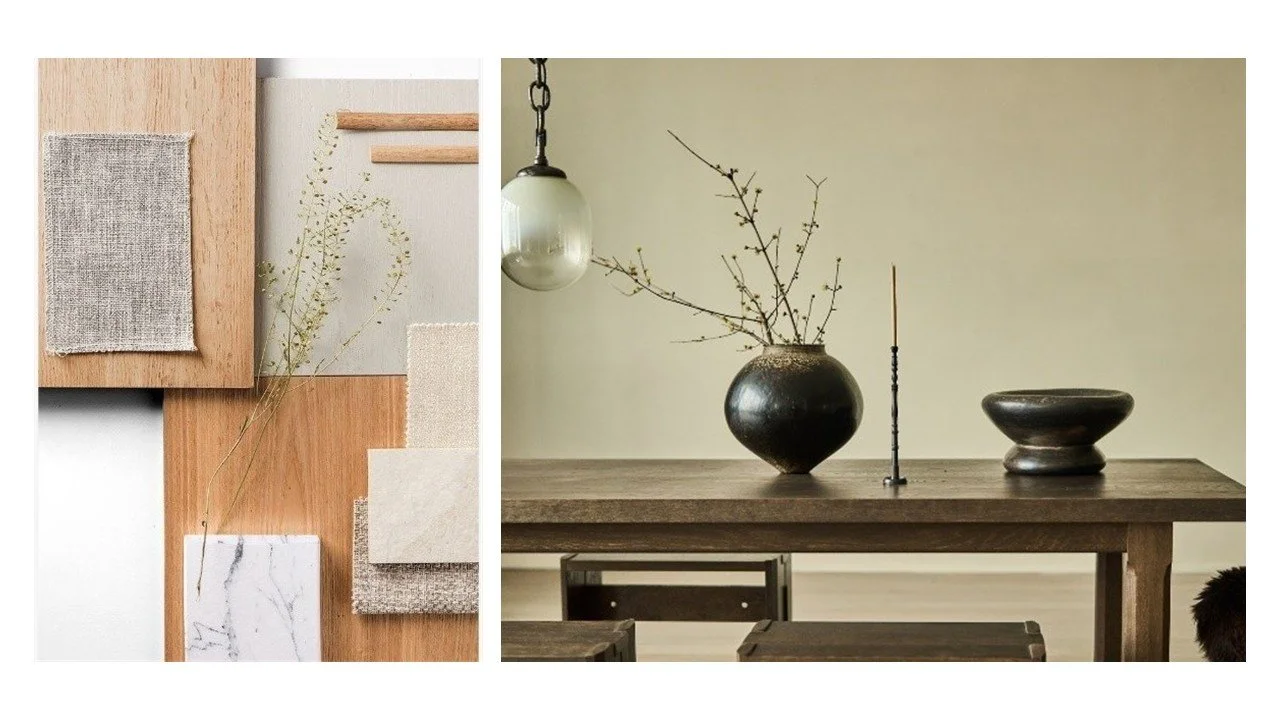
Japandi Material and Decor
Many people are feeling stressed or overwhelmed by work, society, personal life, social media and much more. So, the Japandi style will continue to be a popular trend well into the future.